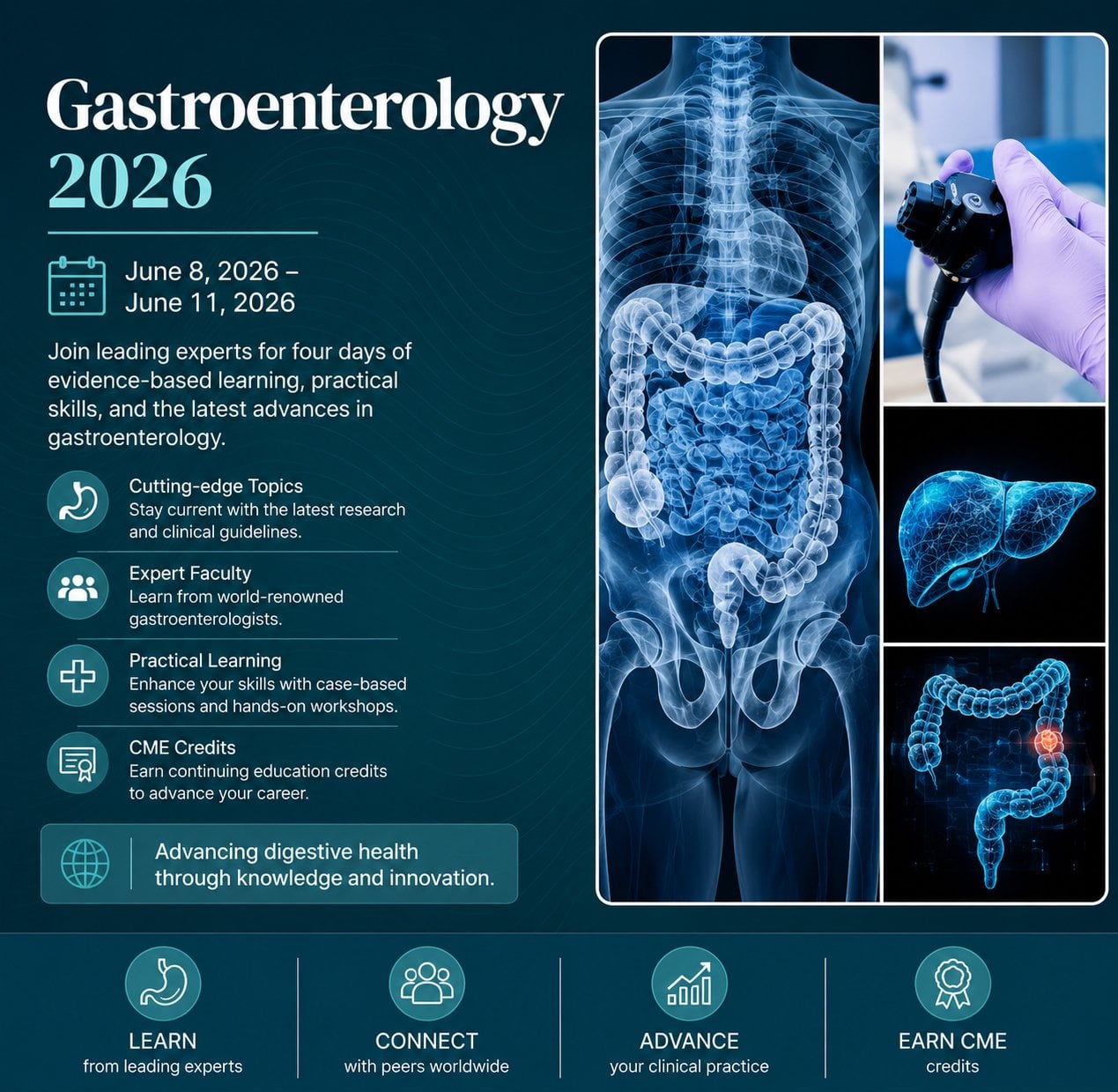
Harvard Gastroenterology 2026
Harvard Gastroenterology 2026
Couldn't load pickup availability

Harvard Gastroenterology 2026
Harvard Gastroenterology 2026 (Videos + PDFs)
Comprehensive Evidence-Based Updates in Gastroenterology, Hepatology & Digestive Disease Management
Stay at the forefront of digestive disease care with Harvard Gastroenterology 2026, a comprehensive continuing medical education (CME) program developed by leading faculty from Harvard Medical School and internationally recognized experts in gastroenterology and hepatology. This evidence-based course delivers the latest clinical guidelines, therapeutic advances, and practical strategies for diagnosing and managing a broad spectrum of gastrointestinal and liver disorders encountered in daily practice.
Designed as a live online educational program, the course combines expert lectures, interactive discussions, and real-world clinical recommendations to help clinicians integrate the newest advances into patient care. Participants receive comprehensive updates on inflammatory bowel disease (IBD), gastrointestinal oncology, liver diseases, advanced endoscopy, colorectal cancer prevention, gastrointestinal infections, obesity management, and emerging therapies that are transforming modern gastroenterology.
Whether you care for patients in outpatient clinics, hospitals, or specialty practices, Harvard Gastroenterology 2026 provides practical, guideline-driven education that improves diagnostic confidence, therapeutic decision-making, and long-term patient outcomes.
Product Details
- Course: Harvard Gastroenterology 2026
- Institution: Harvard Medical School
- Format: Videos + PDFs
- Delivery: Live Online Course
- Language: English
- Educational Level: Intermediate to Advanced
Course Overview
Gastroenterology continues to evolve rapidly with new biologic therapies, precision medicine, artificial intelligence, microbiome research, advanced endoscopic techniques, and updated international clinical guidelines. Physicians managing digestive diseases must continually adapt to these developments to provide optimal patient care.
Harvard Gastroenterology 2026 delivers an extensive review of current evidence-based practice across the full spectrum of gastroenterology and hepatology. Nationally recognized experts present practical recommendations for evaluating and treating common and complex gastrointestinal disorders while highlighting important advances that directly impact clinical decision-making.
The curriculum emphasizes immediate clinical application, helping healthcare professionals incorporate updated diagnostic strategies, therapeutic options, surveillance recommendations, and quality improvement measures into everyday practice.
Course Highlights
- Comprehensive gastroenterology update
- Latest national and international GI guidelines
- Inflammatory bowel disease (IBD)
- Biologic therapies and therapeutic drug monitoring
- Hepatology updates
- Steatotic liver disease (MASLD)
- HBV and HCV management
- Barrett's esophagus
- Eosinophilic esophagitis
- Celiac disease
- Irritable bowel syndrome (IBS)
- Refractory GERD
- Helicobacter pylori management
- Clostridioides difficile infection
- Acute and chronic pancreatitis
- Gastrointestinal bleeding
- Colorectal cancer prevention
- Colonoscopy quality improvement
- Artificial intelligence in colonoscopy
- Endoscopic obesity management
- Fecal microbiota transplantation (FMT)
- GI complications of cancer immunotherapy
What You'll Learn
After completing this course, participants will be able to:
- Apply the latest evidence-based guidelines for diagnosing and treating gastrointestinal diseases.
- Integrate modern biologic therapies into the management of inflammatory bowel disease.
- Utilize therapeutic drug monitoring to optimize IBD treatment outcomes.
- Diagnose and manage common and complex liver diseases using current recommendations.
- Improve colonoscopy quality and adenoma detection rates through updated screening strategies.
- Evaluate and treat gastrointestinal complications associated with cancer immunotherapy.
- Incorporate advances in microbiome science, artificial intelligence, and endoscopic therapies into routine clinical practice.
- Optimize long-term outcomes for patients with digestive disorders using guideline-directed care.
Comprehensive Topics Covered
Inflammatory Bowel Disease (IBD)
Review current treatment algorithms for Crohn's disease and ulcerative colitis, including biologic selection, therapeutic drug monitoring, management of older adults, treatment optimization, and emerging therapies.
Hepatology
Gain comprehensive updates on steatotic liver disease (MASLD), hepatitis B, hepatitis C, autoimmune hepatitis, alcohol-associated liver disease, cirrhosis, portal hypertension, and evidence-based approaches to chronic liver disease management.
Gastrointestinal Oncology
Learn optimal surveillance strategies for hereditary gastrointestinal cancer syndromes, colorectal cancer prevention, adenoma detection improvement, Barrett's esophagus management, and pancreatic cancer risk assessment.
Gastrointestinal Infections
Review updated recommendations for diagnosing and treating Clostridioides difficile infection, Helicobacter pylori infection, fecal microbiota transplantation (FMT), and other clinically significant gastrointestinal infections.
Esophageal Disorders
Strengthen your approach to eosinophilic esophagitis, refractory gastroesophageal reflux disease (GERD), Barrett's esophagus, dysphagia, and other complex esophageal conditions.
Functional Gastrointestinal Disorders
Explore evidence-based management of irritable bowel syndrome (IBS), fecal incontinence, microscopic colitis, functional bowel disorders, and patient-centered treatment strategies.
Pancreatic Disorders
Develop practical diagnostic and therapeutic approaches for acute pancreatitis, chronic pancreatitis, recurrent pancreatitis prevention, and pancreatic disease management.
Advanced Endoscopy
Review high-quality colonoscopy techniques, adenoma detection rate (ADR) optimization, endoscopic obesity treatment, gastrointestinal bleeding management, and advances in therapeutic endoscopy.
Emerging Innovations
Discover the latest developments in artificial intelligence for colonoscopy, microbiome science, novel biologic therapies, precision medicine, and future directions in digestive disease care.
Learning Objectives
Upon completion of this educational activity, participants will be able to:
- Interpret major advances in gastroenterology and hepatology.
- Apply current diagnostic approaches to common and complex gastrointestinal disorders.
- Select evidence-based therapeutic options using updated clinical guidelines.
- Integrate new biologic therapies, endoscopic techniques, and emerging technologies into patient care.
- Improve outcomes for patients with inflammatory, infectious, neoplastic, and functional gastrointestinal diseases.
Educational Features
- Harvard Medical School Faculty
- Nationally Recognized GI Experts
- Evidence-Based Clinical Guidelines
- Comprehensive Gastroenterology Review
- Hepatology Updates
- Advanced Endoscopy Education
- Interactive Clinical Discussions
- Practical Case-Based Learning
- Current Therapeutic Strategies
- On-Demand Videos and Course PDFs
Why This Course Stands Out
Harvard Gastroenterology 2026 is one of the most comprehensive annual updates available for clinicians managing digestive diseases. Rather than focusing on a single subspecialty, the program provides an integrated review of gastroenterology, hepatology, gastrointestinal oncology, inflammatory bowel disease, advanced endoscopy, and emerging innovations. Every lecture emphasizes practical recommendations that clinicians can immediately incorporate into everyday patient care while remaining aligned with the latest national and international guidelines.
Target Audience
This educational activity is ideal for:
- Gastroenterologists
- Hepatologists
- Internal Medicine Physicians
- Hospitalists
- Primary Care Physicians
- Family Medicine Physicians
- Oncologists
- Geriatricians
- Obstetricians & Gynecologists
- General Surgeons
- Nurse Practitioners (NPs)
- Physician Assistants (PAs)
- Gastroenterology Fellows
- Internal Medicine Residents
- Healthcare Professionals interested in digestive diseases
Why Choose This Course?
Whether you manage inflammatory bowel disease, liver disease, gastrointestinal cancers, pancreatic disorders, or common digestive complaints, Harvard Gastroenterology 2026 delivers a comprehensive, evidence-based review of modern gastroenterology practice. Combining expert faculty, updated clinical guidelines, emerging therapies, and practical treatment recommendations, this course helps clinicians improve diagnostic accuracy, optimize patient outcomes, and stay current with one of medicine's fastest-evolving specialties.
4. Topics
Monday, June 8, 2026
Tuesday, June 9, 2026
Wednesday, June 10, 2026
Thursday, June 11, 2026