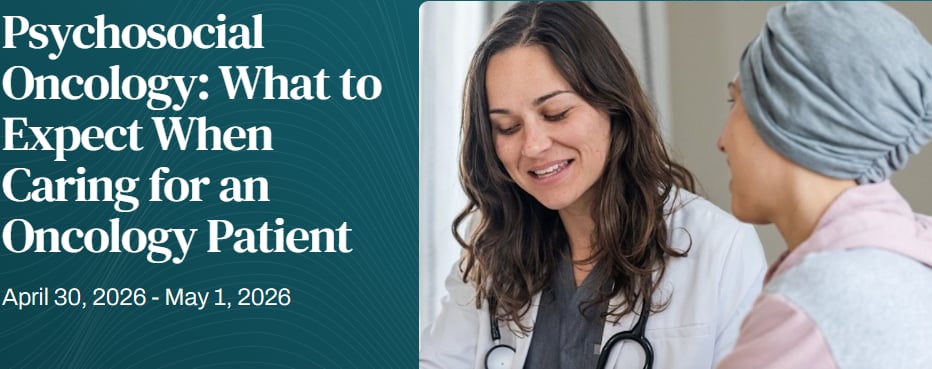
Harvard Psychosocial Oncology What to Expect When Caring for an Oncology Patient 2026
Harvard Psychosocial Oncology What to Expect When Caring for an Oncology Patient 2026
Couldn't load pickup availability

Harvard Psychosocial Oncology What to Expect When Caring for an Oncology Patient 2026
Harvard Psychosocial Oncology: What to Expect When Caring for an Oncology Patient 2026
Comprehensive Psychosocial Oncology, Cancer Mental Health & Supportive Care Update
Overview
The Harvard Psychosocial Oncology: What to Expect When Caring for an Oncology Patient 2026 course is a specialized educational program designed to provide healthcare professionals with a comprehensive understanding of the psychological, emotional, behavioral, and social challenges experienced by patients living with cancer.
Presented by Dana-Farber Cancer Institute and accredited by Harvard Medical School, this expanded two-day virtual conference focuses on the psychosocial aspects of oncology care across the entire cancer continuum—from diagnosis and treatment through survivorship, advanced illness, and bereavement.
Held on April 30 – May 1, 2026, the program equips clinicians with practical skills for identifying and managing cancer-related mental health conditions, supporting caregivers and families, addressing substance use disorders, navigating difficult conversations, and improving quality of life for oncology patients.
Course Features
- Harvard Medical School Accredited Program
- Psychosocial Oncology Education
- Cancer Mental Health Management
- Supportive Oncology Care
- Depression & Anxiety in Cancer Patients
- Caregiver & Family Support Strategies
- Substance Use Disorder Management
- Bereavement & Grief Counseling
- Cancer Survivorship Support
- Young Adult & Pediatric Oncology Care
- Support Group Facilitation
- Multidisciplinary Case-Based Learning
Learning Objectives
Upon completion of this activity, participants will be able to:
- Identify common psychosocial stressors affecting patients with cancer.
- Recognize mental health disorders frequently encountered in oncology settings.
- Develop strategies to improve coping and quality of life.
- Understand the impact of cancer on caregivers and family members.
- Apply supportive care interventions throughout the cancer journey.
- Address substance use disorders in oncology populations.
- Navigate difficult patient interactions and emotionally challenging situations.
- Support bereaved families and individuals following cancer-related loss.
Day 1 – Psychosocial Care Across the Cancer Journey
Mental Health & Cancer
A major focus of the conference is understanding how cancer affects psychological well-being.
Topics Include
- Emotional responses to diagnosis
- Psychological distress
- Adjustment disorders
- Mental health screening
- Quality-of-life assessment
Faculty discuss practical methods for identifying psychosocial concerns early.
Depression in Oncology
Dedicated sessions review:
Covered Topics
- Recognition of depression in cancer patients
- Differential diagnosis
- Pharmacologic management
- Psychotherapeutic interventions
- Collaborative care models
Participants learn evidence-based approaches to improving patient outcomes.
Anxiety & Cancer-Related Distress
The course explores common anxiety-related challenges.
Topics Include
- Generalized anxiety
- Treatment-related anxiety
- Fear of recurrence
- Procedural anxiety
- Coping mechanisms
Faculty review strategies that help patients navigate uncertainty and treatment stress.
Demoralization & Existential Distress
Specialized lectures address:
Topics Include
- Meaning-centered care
- Existential suffering
- Loss of identity
- Hope and resilience
- Psychological adaptation
These sessions focus on supporting patients facing profound life challenges.
Caregiver & Family Support
Cancer affects entire support systems.
Covered Areas
- Family dynamics
- Caregiver burden
- Emotional exhaustion
- Communication strategies
- Supportive interventions
Participants review methods for supporting caregivers throughout treatment and survivorship.
Cancer Survivorship
As survivorship increases, psychosocial support becomes increasingly important.
Topics Include
- Long-term adjustment
- Psychological recovery
- Return to work and daily life
- Fear of recurrence
- Quality-of-life optimization
Faculty discuss long-term supportive care needs.
Day 2 – Advanced Psychosocial Oncology Topics
Substance Use Disorders in Oncology
The second day explores addiction and substance-related challenges.
Topics Include
- Substance use screening
- Opioid management considerations
- Alcohol use disorders
- Risk assessment
- Treatment strategies
Participants learn how substance use disorders intersect with oncology care.
Cannabis in Oncology
Dedicated discussions review:
Topics Include
- Symptom management
- Appetite stimulation
- Pain control
- Current evidence
- Clinical considerations
Faculty discuss benefits, limitations, and ongoing controversies.
Psychedelics & Cancer Care
Emerging research regarding psychedelic-assisted therapies is reviewed.
Areas Covered
- Anxiety management
- Existential distress
- Emerging clinical trials
- Safety considerations
- Future directions
The course examines current evidence and potential future applications.
Challenging Patient Interactions
Healthcare professionals often encounter difficult clinical conversations.
Topics Include
- Delivering serious news
- Emotional reactions
- Conflict resolution
- Communication under stress
- Therapeutic alliance building
Faculty provide practical communication strategies.
Bereavement & Grief Support
A significant component of psychosocial oncology involves grief care.
Topics Include
- Bereavement counseling
- Complicated grief
- Family support
- End-of-life transitions
- Loss processing
Participants learn approaches for supporting patients and families during difficult periods.
Support Groups & Community Resources
Sessions review:
Covered Topics
- Support group development
- Peer support models
- Community-based resources
- Group facilitation techniques
- Psychosocial interventions
These discussions emphasize collaborative care models.
Special Populations
Young Adult Oncology
Cancer presents unique challenges in younger patients.
Topics Include
- Psychosocial development
- Fertility concerns
- Identity and independence
- Educational and career impacts
- Peer relationships
Faculty discuss age-specific supportive care needs.
Pediatric Oncology
Dedicated sessions focus on:
Covered Areas
- Child and adolescent mental health
- Family-centered care
- Developmental considerations
- Long-term survivorship issues
- Psychosocial interventions
Participants review specialized approaches for pediatric populations.
Educational Highlights
✔ Comprehensive psychosocial oncology update
✔ Harvard-accredited education
✔ Mental health care in oncology
✔ Depression and anxiety management
✔ Cancer survivorship support
✔ Caregiver and family interventions
✔ Substance use disorder education
✔ Bereavement and grief counseling
✔ Pediatric and young adult oncology
✔ Practical communication skills training
Target Audience
This course is ideal for:
- Oncologists
- Psychiatrists
- Psychologists
- Primary Care Physicians
- Social Workers
- Oncology Nurses
- Nurse Practitioners
- Physician Assistants
- Palliative Care Specialists
- Behavioral Health Professionals
- Oncology Trainees
Why This Course Stands Out
✔ Dedicated focus on psychosocial oncology
✔ Harvard Medical School accreditation
✔ Multidisciplinary faculty expertise
✔ Covers the entire cancer care continuum
✔ Strong emphasis on practical patient support
✔ Addresses caregiver and family needs
✔ Includes emerging topics such as psychedelics and cannabis
✔ Focuses on communication and quality of life
✔ Applicable across multiple clinical settings
✔ Highly relevant as cancer survivorship continues to grow
+ Topics:-
01 Approaching Cancer Care for the Whole Patient
-
02 Overview of Cancer Treatment and Treatment Side Effects
-
03 Adjustment to Illness
-
04 Couples and Families
-
05 Morning Q&A Courtney Bitz; Eileen Joyce; Damien Miran; Cristina Pozo-Kaderman; Anna Muriel
-
06 Anxiety
-
07 Depression
-
08 Survivorship
-
09 Spiritual Care (Moderated Discussion)
-
10 Afternoon Q&A Stephanie Tung; Timothy Steinhoff; Carrie Wu; Stephen Conway; Leora Lowenthal; John Peteet; Damien Mir
-
11 Psychedelics
-
12 Substance usemisuse
-
13 Cannabis
-
14 Navigating Challenging Patients
-
15 Morning Q&A Roxanne Sholevar; Miryam Yusufov; Ilana Braun; Stephanie Tung; Michelle Jacobo
-
16 Bereavement
-
16 Sue Morris Recording 2026
-
17 Facilitating Cancer Support Groups
-
18 Existential Distress and End of Life Issues
-
19 Pediatric Psychosocial Care (Moderated Discussion)
-
20 Care of Young Adults
-
21 Afternoon Q&A Sue Morris; Tricia Hughes; Leora Lowenthal; Amanda Moment; Kate Lally; Joan Hanania; Cristina Pozo-Kaderman